

Crepes, Waffles or Pancakes: The Ultimate Guide to Snack Classics
The art of clay: mastering textures
Each recipe uses a similar base: flour, eggs, and milk. But their cooking behavior differs completely. For perfect crêpes, you need a thin batter and a resting period to allow the gluten to relax. Conversely, for fluffy pancakes, the secret is not to overmix the batter to retain air. Finally, waffles require a slightly higher fat content (melted butter) to achieve that unique contrast between a crispy exterior and a soft, gooey center.
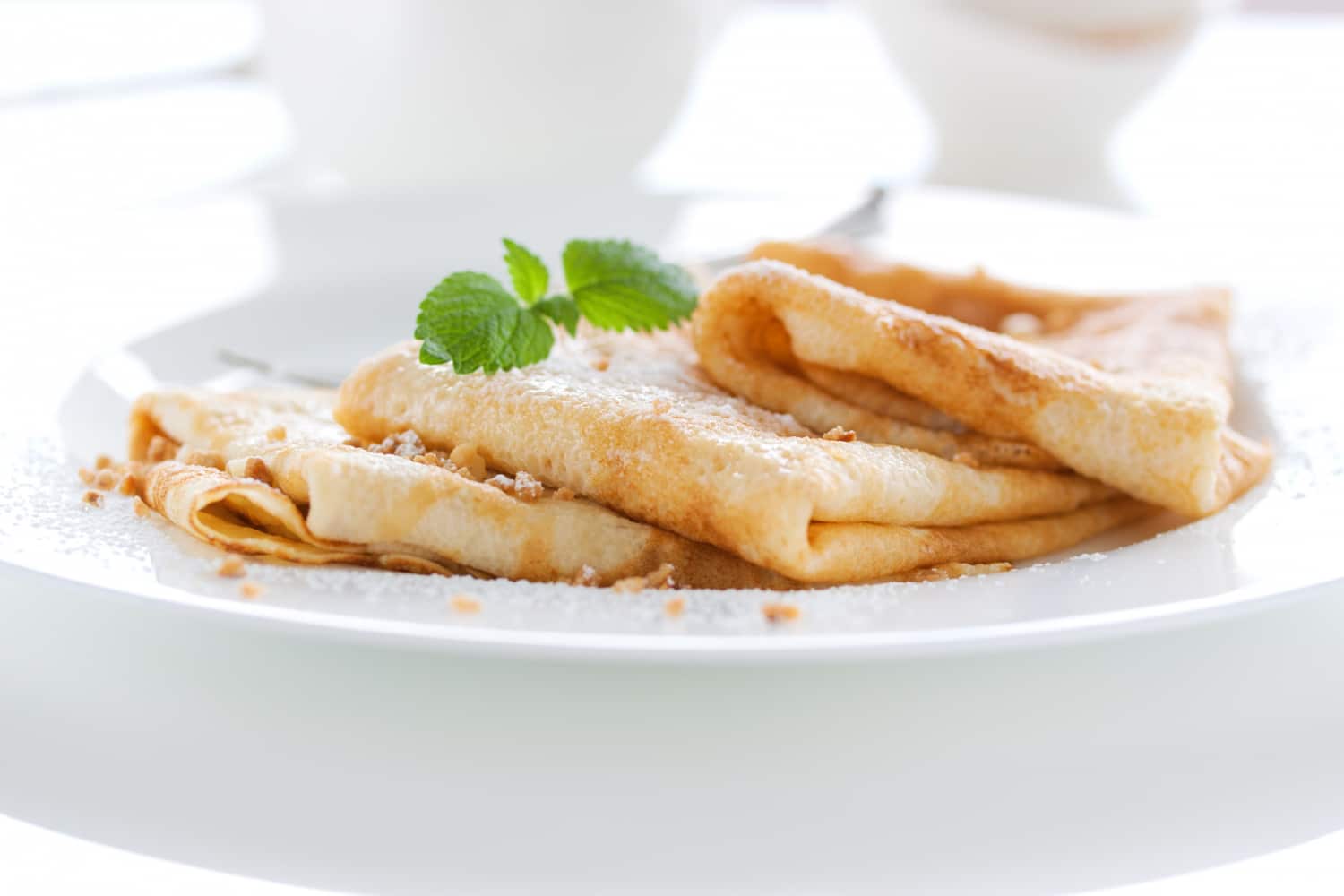
The Crepes
Crepes go with everything. Salted butter caramel, fresh fruit coulis or homemade whipped cream: find the perfect combination to transform your crepes into true chef-worthy desserts.
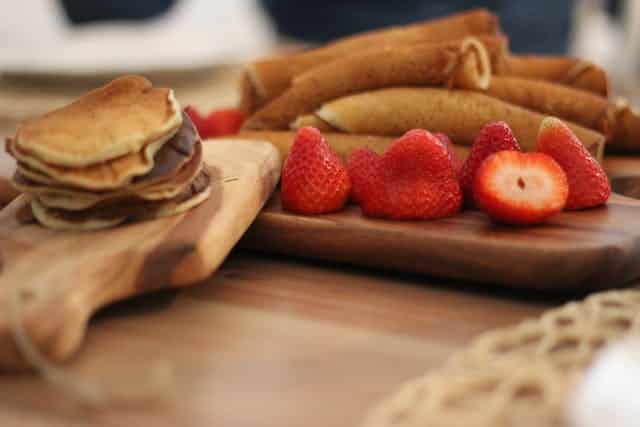
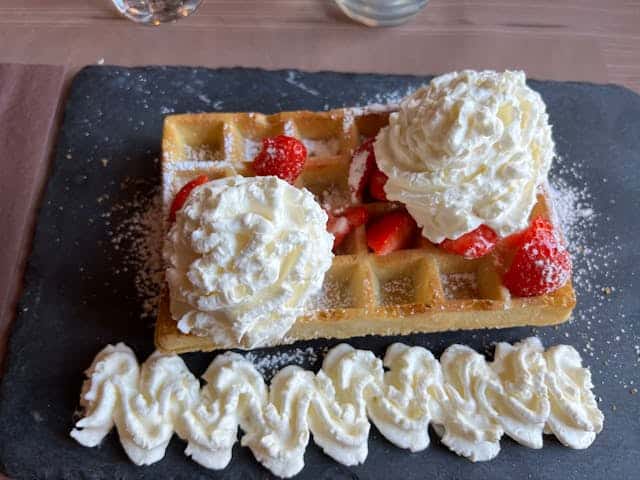
Everything you need to know about brunch and snack pasta 🥞🧇
Although the ingredients are similar (flour, eggs, milk), the proportion of fat and the use of leavening agent make the difference. Crêpe batter is thin and yeast-free. Pancake batter contains baking powder for its fluffy texture. Finally, waffle batter is richer in butter to ensure a crispy exterior.
Expert disagreement: It’s not recommended. Pancake batter is too thin and lacks fat for a waffle iron. It risks sticking to the plates or resulting in soggy, rubbery waffles. For proper waffles, you need a thicker batter that holds its shape in the wells.
All these preparations will keep for 2 to 3 days in the refrigerator in an airtight container or wrapped in cling film. To restore their freshness: use a toaster for waffles and pancakes (it works wonders for crispiness) and a slightly warmed pan for crepes.
Absolutely! Crepes, waffles, and pancakes freeze beautifully. Place parchment paper between each one to prevent them from sticking together. Simply reheat them for a few minutes in a 150°C oven or toaster oven straight from the freezer.
If you’re making all three, start with the crepe batter as it requires the longest resting time (at least 30 minutes). Then prepare the waffle batter. The pancakes can be made last as they cook quickly and require almost no resting time to stay nice and fluffy.