

Custard Flan: Our Simple and Delicious Recipes 🍮
On this page, I’ll share my secrets for making a flan with the perfect texture: no more watery or runny flans! Discover our quick and easy recipes to recreate this classic pastry at home, using basic ingredients you probably already have in your kitchen. Ready to achieve that golden crust and melt-in-your-mouth center?
-
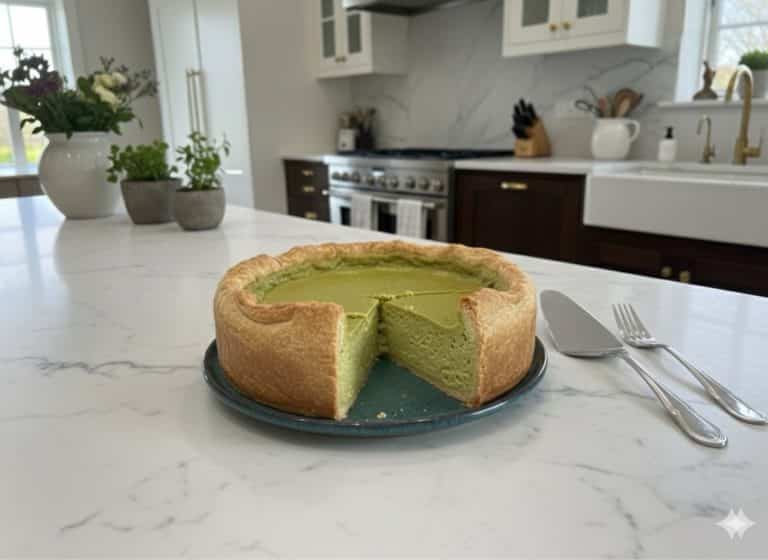
Flan pâtissier pistache
Le flan pâtissier à la pistache est un dessert onctueux et parfumé, revisitant le flan traditionnel avec une touche gourmande et originale. Sa texture crémeuse en fait un incontournable.
-
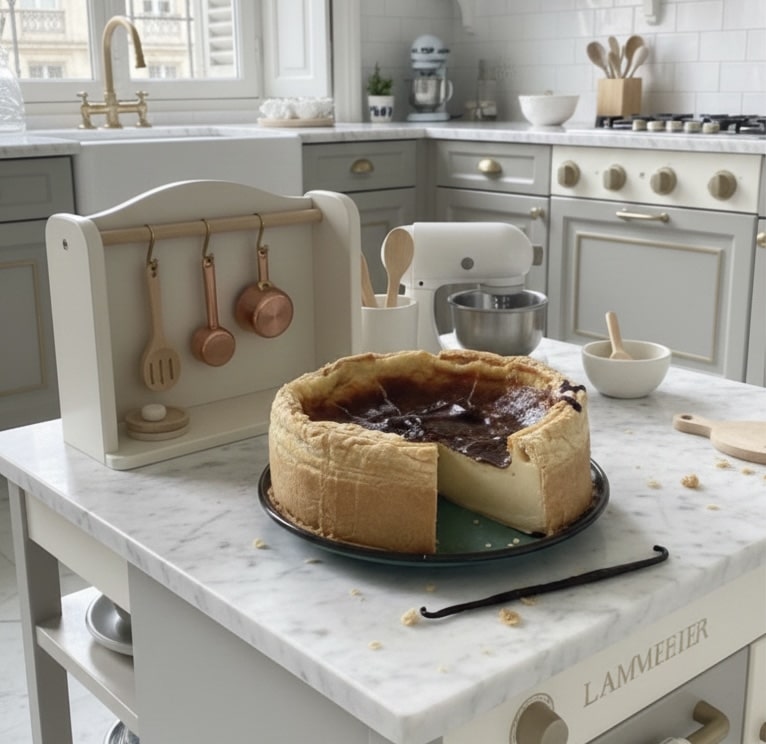
Flan Pâtissier Vanille
Le grand classique du goûter français ! Une crème onctueuse infusée à la vanille sur une pâte croustillante. La recette simple pour retrouver les saveurs de l’enfance.
-
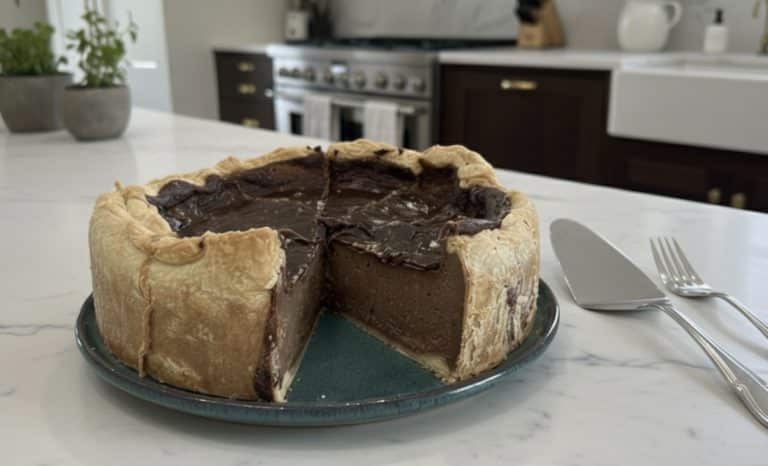
Flan Pâtissier Chocolat
Avis aux mordus de cacao ! Ce flan pâtissier au chocolat combine la fermeté du flan traditionnel et l’onctuosité d’une ganache. Une recette rapide pour un plaisir maximal.
All our tips for making a perfect custard flan 🍮
Technically, there’s no major difference. The term “Parisian flan” is often used to refer to the traditional flan baked in a pastry base (shortcrust or puff pastry), while ” pastry flan” is the generic term used in baking. In both cases, a dense, melt-in-your-mouth texture with a lightly browned surface is desired.
This phenomenon, called syneresis, often occurs after overcooking or at a temperature that is too high, causing the mixture to boil. To avoid it, use whole milk rather than semi-skimmed milk and make sure to let the flan cool completely to room temperature before placing it in the refrigerator for at least 6 hours.
This thin brown film is the hallmark of a good flan. It occurs naturally through the caramelization of the sugars in the milk and eggs (Maillard reaction). For a professional shine, you can glaze the cold flan with a little blond glaze or apricot jelly that has been lightly warmed as soon as it comes out of the oven.
It’s a matter of taste! Shortcrust pastry offers an authentic touch and holds its shape better when sliced. Puff pastry , being richer, provides a more pronounced textural contrast with the creamy flan. For those who prefer a lighter version, the flan can also be baked without a pastry base, directly in a well-buttered tin.
To achieve a generous flan like the ones from the bakery, the secret is to use a mold with high sides and a small diameter (between 18 and 20 cm in diameter and 5 to 6 cm high). This allows you to concentrate the mixture and obtain that deliciously thick layer when sliced, without the edges collapsing.