

Clafoutis maison : les recettes les plus moelleuses et fondantes
Le clafoutis est le dessert de famille par excellence. Qu’il soit traditionnellement aux cerises ou revisité avec des fruits de saison, le secret d’un bon clafoutis réside dans l’équilibre entre une pâte onctueuse, proche de l’appareil à flan, et la générosité des fruits. Découvrez nos meilleures variantes pour réussir ce classique indémodable à tous les coups.
-
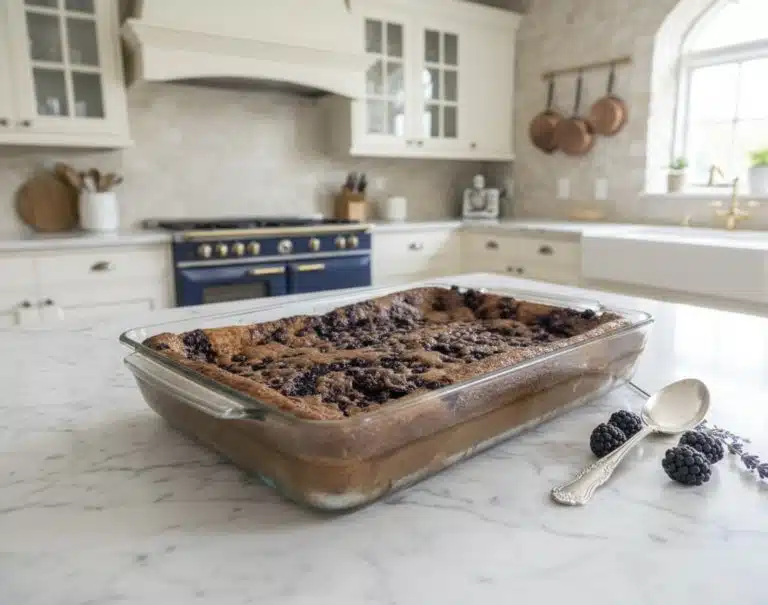
Clafoutis aux Mûres
Valorisez vos mûres avec cette recette express. Entre la douceur de l’appareil et la puissance du fruit sauvage, ce clafoutis est une réussite totale pour clore vos repas sur une note fruitée et authentique.
-
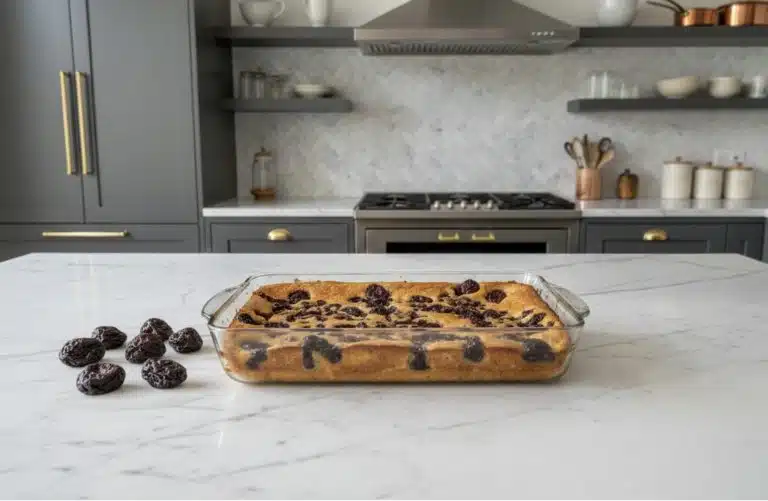
Clafoutis aux Pruneaux
Avis aux amateurs de saveurs authentiques ! Ce clafoutis aux pruneaux est une ode à la tradition. Une préparation express pour un résultat bluffant qui plaira autant aux petits qu’aux grands nostalgiques.
-
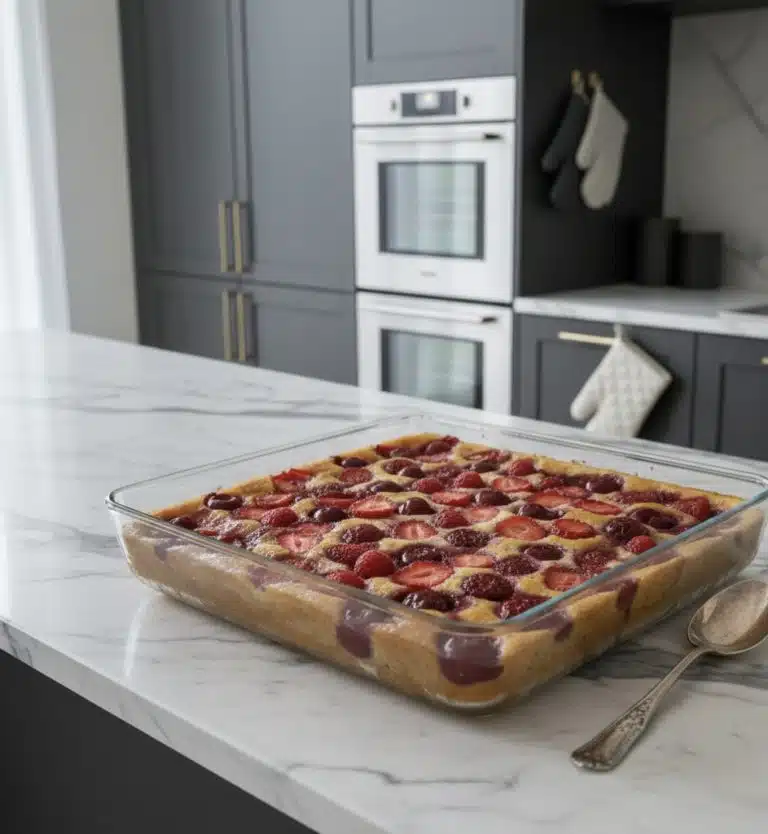
Clafoutis aux Fruits rouges
Faites le plein de vitamines avec ce dessert ultra-gourmand. Nous vous expliquons comment marier les différents fruits rouges pour obtenir un clafoutis équilibré, juteux et surtout d’une simplicité enfantine.
-
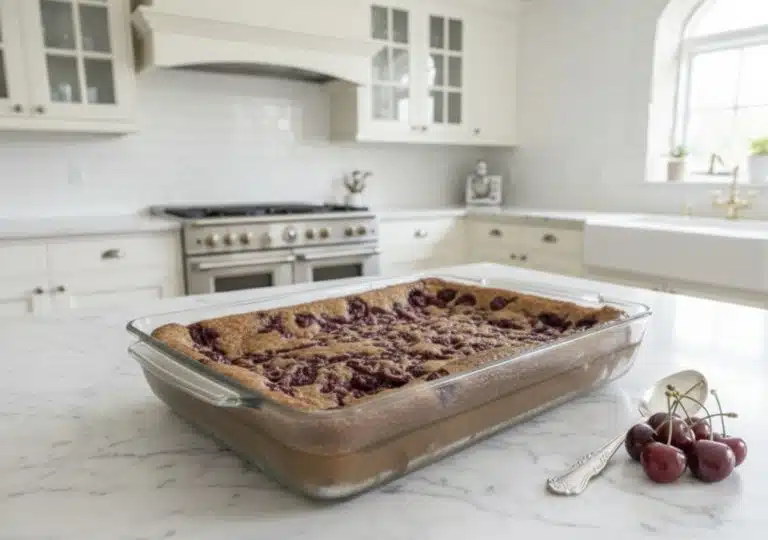
Clafoutis aux Cerises
Que vous gardiez les noyaux pour plus de saveur ou non, ce clafoutis reste une valeur sûre. Une préparation de 10 minutes suffit pour obtenir un résultat digne d’une pâtisserie de grand-mère.
-
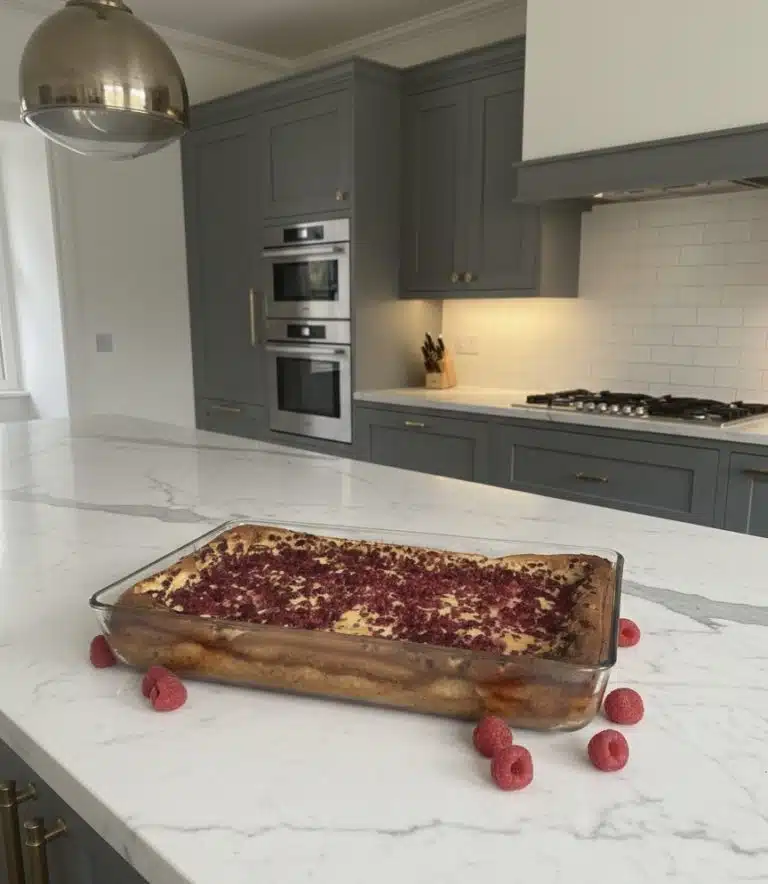
Clafoutis à la Framboise
La framboise apporte une touche de peps incomparable. Suivez nos conseils pour éviter que les fruits ne retombent au fond et pour obtenir ce contraste irrésistible entre le fruit acidulé et la pâte suave.
-
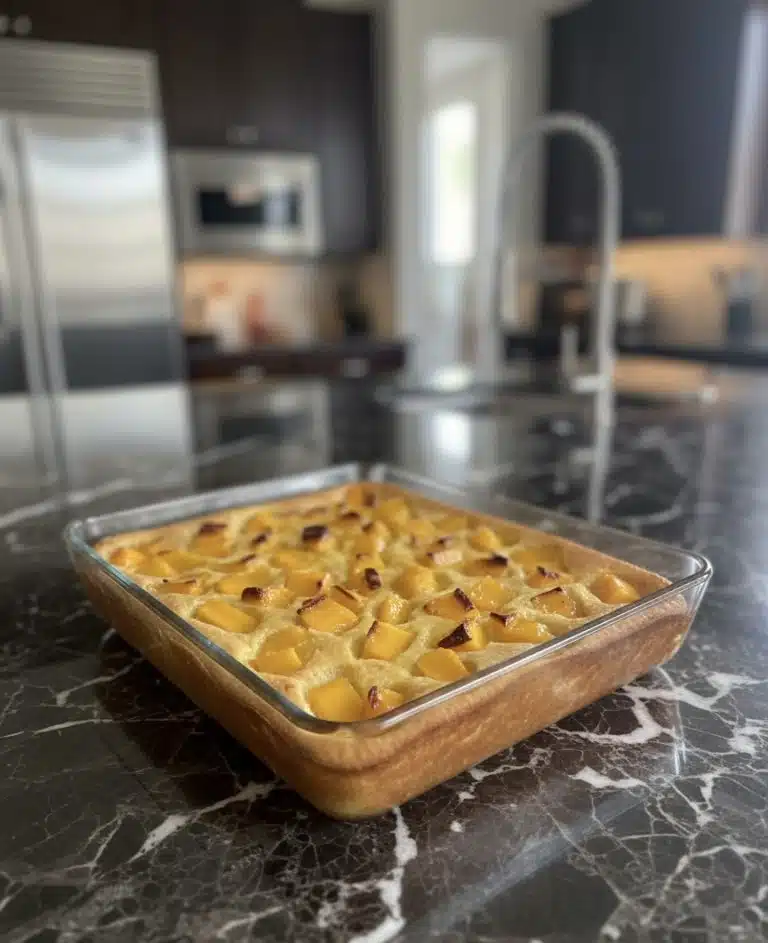
Clafoutis à la Mangue
Osez l’exotisme avec ce clafoutis revisité. Nous vous livrons tous les secrets pour choisir la mangue parfaite et réussir cette cuisson dorée qui cache un cœur fondant et tropical.
-
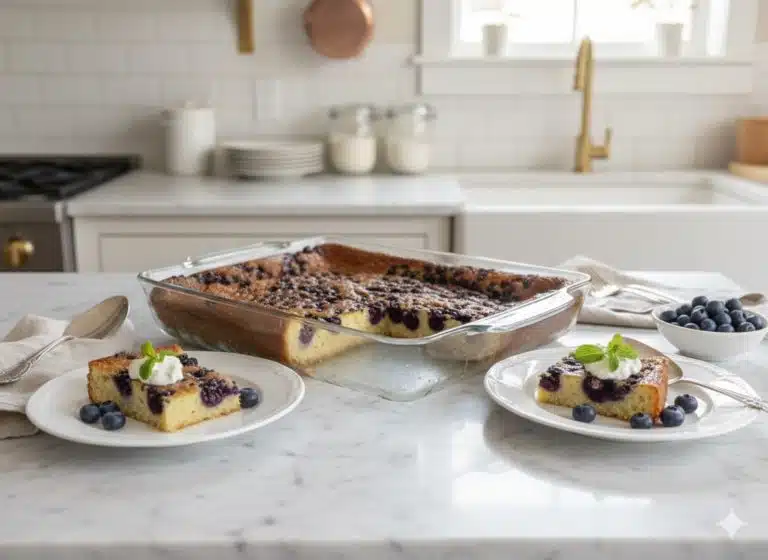
Clafoutis aux myrtilles
Le clafoutis aux myrtilles est un dessert fruité et fondant, mêlant douceur de la pâte et légère acidité des fruits. Une recette simple et généreuse, parfaite en saison.
Toutes vos questions pour réussir un clafoutis parfait 🍒
C’est une question de fruit ! Traditionnellement, on appelle clafoutis la préparation réalisée exclusivement avec des cerises. Lorsqu’on utilise d’autres fruits (pommes, poires, abricots), l’appellation officielle est la flognarde (ou flagnarde). Cependant, le terme “clafoutis” est aujourd’hui utilisé pour toutes les variantes fruitées.
Les puristes vous diront que non ! Laisser les noyaux (notamment pour les cerises) permet de préserver tout le jus à l’intérieur du fruit et apporte une légère note d’amande à la pâte. Si vous choisissez de les dénoyauter pour plus de confort, saupoudrez vos fruits d’un peu de farine pour éviter qu’ils ne rendent trop de jus et ne détrempent l’appareil.
Le secret réside dans le mélange : ne travaillez pas trop la pâte une fois la farine incorporée pour ne pas donner de corps au gluten. L’utilisation de lait entier et l’ajout d’une pointe de crème liquide permettent d’obtenir cette texture crémeuse si particulière, entre le flan et la crêpe épaisse.
Il est tout à fait normal qu’un clafoutis gonfle au four puis s’affaisse légèrement en refroidissant. Pour limiter cet effet, évitez de battre les œufs trop vigoureusement (ce qui incorpore trop d’air) et privilégiez une cuisson douce et régulière. Un clafoutis est meilleur lorsqu’il est dense et humide.
Oui, vous pouvez préparer la pâte quelques heures à l’avance et la réserver au réfrigérateur. Cela permet même à la farine de bien s’hydrater. Cependant, n’ajoutez les fruits qu’au moment d’enfourner pour éviter qu’ils ne tombent tous au fond du moule ou qu’ils ne colorent trop la pâte crue.


